


Specialist Oncology Care Provided by Nosworthy Oncology

Consultations focus on assessment, discussion, and guidance. There is no obligation to proceed with treatment.

Is a Specialist Oncology Consultation Right for You?

Many people delay seeking care because symptoms do not feel urgent or specific. However, ongoing or unexplained changes in the body deserve attention.

You may benefit from a specialist oncology consultation if you or someone you care for is experiencing:

  • Unexplained weight loss

  • Ongoing fatigue that does not improve with rest

  • Persistent night sweats or unexplained fevers

  • New lumps or swelling, particularly in the neck, chest, or underarms

  • Unusual or persistent bleeding that cannot be explained by common conditions

These symptoms do not always mean cancer. But they do signal that further assessment may be needed. Early investigation often provides more clarity and, in many cases, more options.

A consultation offers a safe space to discuss symptoms, review medical history, and determine whether further investigation or treatment is appropriate.

What Can You Expect From Your Care?

Oncology care is highly individual and depends on many factors, including diagnosis, stage of disease, overall health, and personal circumstances.

At Nosworthy Oncology, care is centred on:

  • Understanding your diagnosis and what it means for you

  • Discussing available treatment options clearly and honestly

  • Considering both medical effectiveness and quality of life

  • Providing ongoing guidance as treatment progresses

Treatment experiences and outcomes vary from person to person. These differences are discussed openly so that expectations remain realistic and informed at every stage.

Why Choose Nosworthy Oncology

Specialist medical oncologists

Care is led by experienced physicians trained in adult medical oncology, providing informed clinical assessment and treatment planning.

Early assessment and careful investigation

Prompt attention to symptoms allows for timely investigation, clearer diagnosis, and more appropriate care decisions.

Multidisciplinary collaboration

Doctors work closely with specialists across disciplines, including radiation oncology, physiotherapy, and clinical research, to coordinate patient care.

Individualised treatment planning

Treatment plans are developed around each patient’s diagnosis, medical history, and overall health, recognising that no two cases are the same.

Clear and open communication

Patients are encouraged to ask questions and remain actively involved in decisions about their care, with clear explanations provided throughout.

Ongoing management and follow-up

Care continues beyond initial treatment, with ongoing monitoring, review, and responsive medical support.


Understanding the Oncology Care Process

Cancer care can feel complex. Nosworthy Oncology follows a structured and supportive process to help patients navigate each step with clarity.

This typically includes:

  • A detailed initial consultation and medical assessment

  • Review of test results, imaging, and pathology reports

  • Discussion of appropriate treatment options

  • Development of a personalised care plan

  • Ongoing treatment, monitoring, and review

Patients are given time to process information, ask questions, and make decisions with professional support.

Treatment and Ongoing Care

Treatment recommendations are made based on individual clinical assessment and may include:

Chemotherapy, using medication to treat and control cancer cells

Immunotherapy, supporting the body’s immune system in cancer care

Clinical trials, providing access to research-based treatment options
Supportive or palliative care, focused on symptom management and comfort

Before any treatment begins, doctors take time to explain the purpose of treatment, potential side effects, monitoring requirements, and expected timelines.

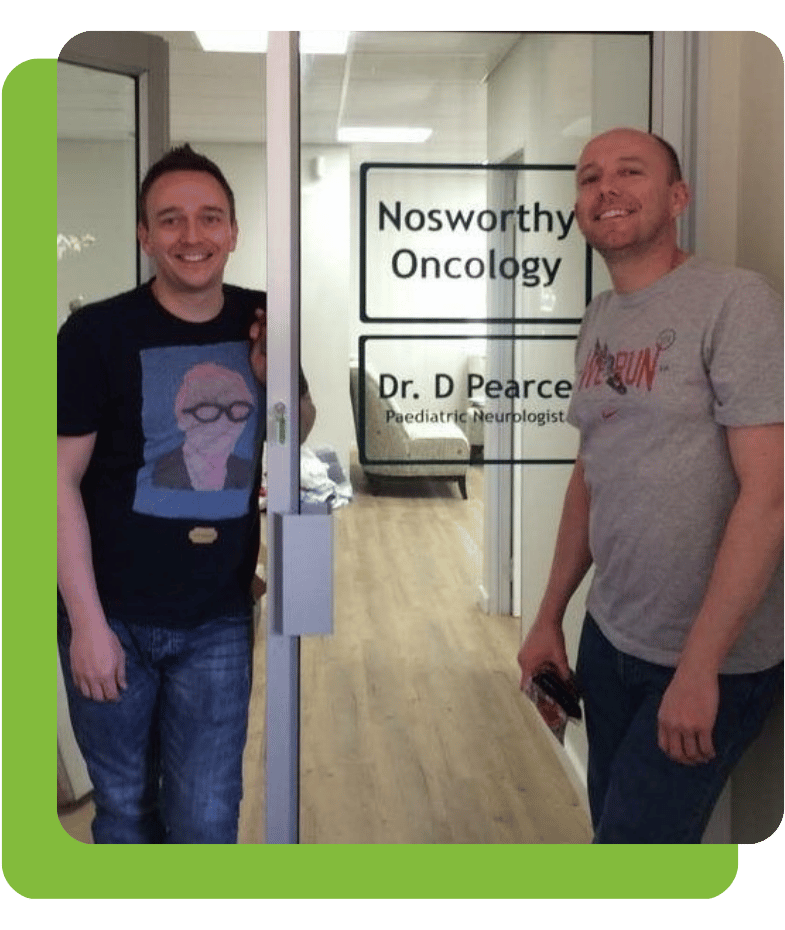
Meet Dr Adam Nosworthy & Dr Owen Nosworthy

Dr Adam Nosworthy and Dr Owen Nosworthy are specialist physicians and medical oncologists with a shared commitment to patient-centred cancer care.

With years of experience treating patients with cancer, their approach is grounded in early attention, careful assessment, and clear guidance. Consultations focus on understanding each patient’s situation, discussing appropriate options, and supporting informed, unpressured decision-making.

Patients are reminded that they do not have to navigate this journey alone. The right guidance, at the right time, can make a meaningful difference.

What Our Patients Say

It is said that if you know your enemies and know yourself, you will not be imperilled in a hundred battles; if you do not know your enemies but do know yourself, you will win one and lose one; if you do not know your enemies nor yourself, you will be imperilled in every single battle.

– Sun Tzu, The Art of War

Frequently Asked Questions

Your first consultation focuses on understanding your situation in detail. This includes reviewing your symptoms, medical history, and any available test results, scans, or pathology reports. Your doctor will explain findings in clear language, discuss whether further investigations are needed, and outline possible care pathways. You will have time to ask questions and discuss concerns before any decisions are made.

A referral from a GP or specialist is usually recommended, as it helps provide important medical background. However, you may contact the practice directly to confirm referral requirements and appointment availability.

No. Oncology care is highly individualised. Treatment plans are developed based on your specific diagnosis, stage of disease, overall health, and personal circumstances. No two patients receive identical treatment plans.

Yes. Patient involvement is an important part of care at Nosworthy Oncology. Doctors take time to explain options, answer questions, and support informed decision-making. You are encouraged to take an active role in discussions about your treatment.

Treatment options may include chemotherapy, immunotherapy, and access to clinical trials where appropriate. Supportive and palliative care options are also discussed when needed. All treatment recommendations are based on clinical assessment and evidence-based guidelines.

Clinical trials may be available for suitable patients. Participation is entirely voluntary and is discussed in detail, including potential benefits, risks, and requirements, before any decision is made.

Appointment frequency depends on your diagnosis and treatment plan. Some patients require regular visits during treatment, while others may be seen less frequently for monitoring. This is explained clearly during your consultation.

If available, bring referral letters, recent test results, imaging reports, pathology results, and a list of current medications. Bringing a family member or support person is also welcome if it helps you feel more comfortable.

It is normal to feel uncertain. Consultations are designed to provide information and guidance, not pressure. You are encouraged to take time to consider your options and discuss any concerns before proceeding.

Billing is handled in line with standard medical practice. Fees may vary depending on the type of consultation, treatment, and care required. Medical aid coverage differs between providers and plans. Our team can assist with general billing queries and help guide you on what information may be required for medical aid claims.

Book a Free Consultation

If you or someone you care for has ongoing symptoms, a recent diagnosis, or questions about cancer care, a consultation can provide clarity and guidance. Early attention matters. You do not have to navigate this journey alone.